Exclusive Savings on Plumbing Services!
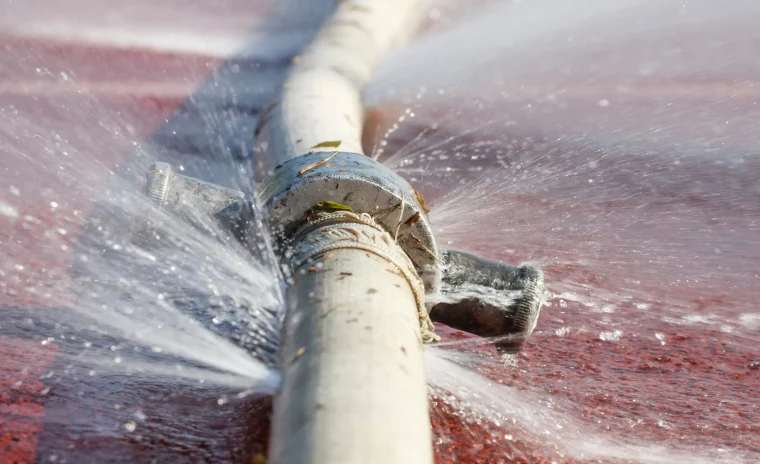
1. Unexplained Spike in Your Water Bills
When your water bill suddenly climbs without any change in household usage, you are likely dealing with a hidden leak somewhere in your plumbing system. Even a small, constant drip can waste hundreds of gallons per month, translating into noticeable cost increases. In Concord, where summer irrigation demands already stress water budgets, an unexpected bill spike often signals trouble beneath slabs, behind walls, or along buried service lines.
Start by reviewing your water meter. Turn off all faucets, appliances, and irrigation systems, then check the meter reading. Wait an hour without using any water and check again. If the meter has moved, water is escaping somewhere. This simple test confirms a leak exists, even if you cannot see it. Homeowners frequently overlook slow leaks in toilet flappers, irrigation valves, or aging supply pipes, all of which compound over weeks.
Professional plumbing leak detection technology can pinpoint the exact location without invasive guesswork. Acoustic sensors and thermal imaging allow licensed technicians to trace leaks through concrete, drywall, and soil, minimizing repair costs and property disruption. Addressing the issue promptly prevents secondary damage such as mold growth, foundation shifts, and landscape erosion.
2. Persistent Musty Odors or Mildew Growth
A musty smell in bathrooms, kitchens, or utility rooms often indicates moisture accumulation from a concealed leak. Mildew and mold thrive in damp, dark environments, and their presence suggests water has been seeping into walls, flooring, or cabinetry for an extended period. In Concord’s mild climate, indoor humidity can mask slow leaks until biological growth becomes visible or odors become unmistakable.
Check under sinks, around toilet bases, and behind appliances such as dishwashers and washing machines. Look for discoloration, soft spots in drywall, or warped baseboards. These signs confirm that water has infiltrated structural materials. Even if surfaces appear dry to the touch, persistent odors reveal ongoing moisture problems that demand immediate attention.
Ignoring musty smells invites health risks, especially for household members with respiratory sensitivities. Mold spores circulate through HVAC systems, spreading contamination throughout the home. Professional plumbing services can identify the leak source, repair damaged pipes, and recommend moisture remediation steps. Early intervention protects indoor air quality and prevents costly structural repairs down the line.
3. Wet Spots or Discoloration on Ceilings and Walls
Water stains on ceilings and walls are clear indicators of active or recent leaks. These discolorations typically appear as yellowish-brown rings or patches and signal that water has penetrated drywall or plaster. In multi-story homes, ceiling stains often point to problems in upstairs bathrooms, supply lines, or roof drainage systems. Wall stains near plumbing fixtures suggest leaking supply pipes, drain connections, or valve assemblies.
Pay close attention to stains that expand over time or reappear after repainting. This pattern confirms an ongoing leak rather than a one-time incident. Wet drywall loses structural integrity, sagging under its own weight and creating safety hazards. In Concord’s dry summers, leaks may slow or pause, only to resume when cooler weather increases indoor water usage, making seasonal patterns an important diagnostic clue.
Addressing visible water damage requires more than cosmetic fixes. Repairing the surface without stopping the leak guarantees recurrence. Licensed plumbing contractors use sewer camera inspection and pressure testing to diagnose hidden pipe failures, especially in older homes with galvanized or polybutylene plumbing. Timely repairs prevent ceiling collapse, electrical hazards, and extensive renovation costs.
4. Unusual Sounds from Pipes or Drains
Hissing, dripping, or running water sounds when no fixtures are in use indicate active leaks or pressure imbalances within your plumbing system. These noises often originate from supply lines under pressure, where even pinhole leaks produce audible hissing as water escapes. Gurgling sounds from drains suggest partial blockages or venting issues that can lead to back-pressure and joint failures, eventually causing leaks at connection points.
In Concord homes built on slabs, underground supply line leaks create subtle sounds that amplify through flooring and walls. Homeowners sometimes hear water running in walls during quiet evening hours, a telltale sign of concealed pipe failures. Drain line issues often announce themselves through slow drainage, bubbling toilets, and persistent gurgling, especially when multiple fixtures are used simultaneously.
Professional drain cleaning and hydrojetting services clear obstructions that contribute to pressure spikes and joint stress. Advanced diagnostics, including acoustic leak detection, isolate problem areas without invasive exploratory work. Addressing unusual sounds promptly prevents burst pipes, water damage, and emergency service calls. Regular plumbing system inspections catch early warning signs before minor issues escalate into major failures.
5. Landscape Damage and Soggy Yard Areas
Persistent wet spots, sunken areas, or unusually lush patches of grass in your yard often reveal underground leaks in water supply lines or sewer pipes. While Concord’s irrigation-dependent landscapes may show occasional wet zones, unexplained soggy areas that persist despite dry weather indicate subsurface water loss. Leaking supply lines saturate soil continuously, creating muddy patches and promoting weed growth in concentrated areas.
Sewer line leaks present additional warning signs, including foul odors, rapid vegetation growth near the leak site, and ground settlement. Tree roots aggressively seek out moisture and nutrients, infiltrating cracked sewer pipes and exacerbating damage. Left unaddressed, these leaks undermine foundations, damage hardscaping, and contaminate soil with untreated wastewater.
Modern plumbing services offer trenchless sewer replacement and repair options that minimize landscape disruption. Sewer camera inspection technology allows technicians to assess pipe condition, locate fractures, and identify root intrusion without excavating entire lines. Trenchless methods preserve landscaping, driveways, and walkways while delivering durable, long-term solutions. Homeowners benefit from faster project completion, reduced restoration costs, and minimal property disturbance. Proactive sewer line repair protects property values and prevents health hazards associated with sewage exposure.